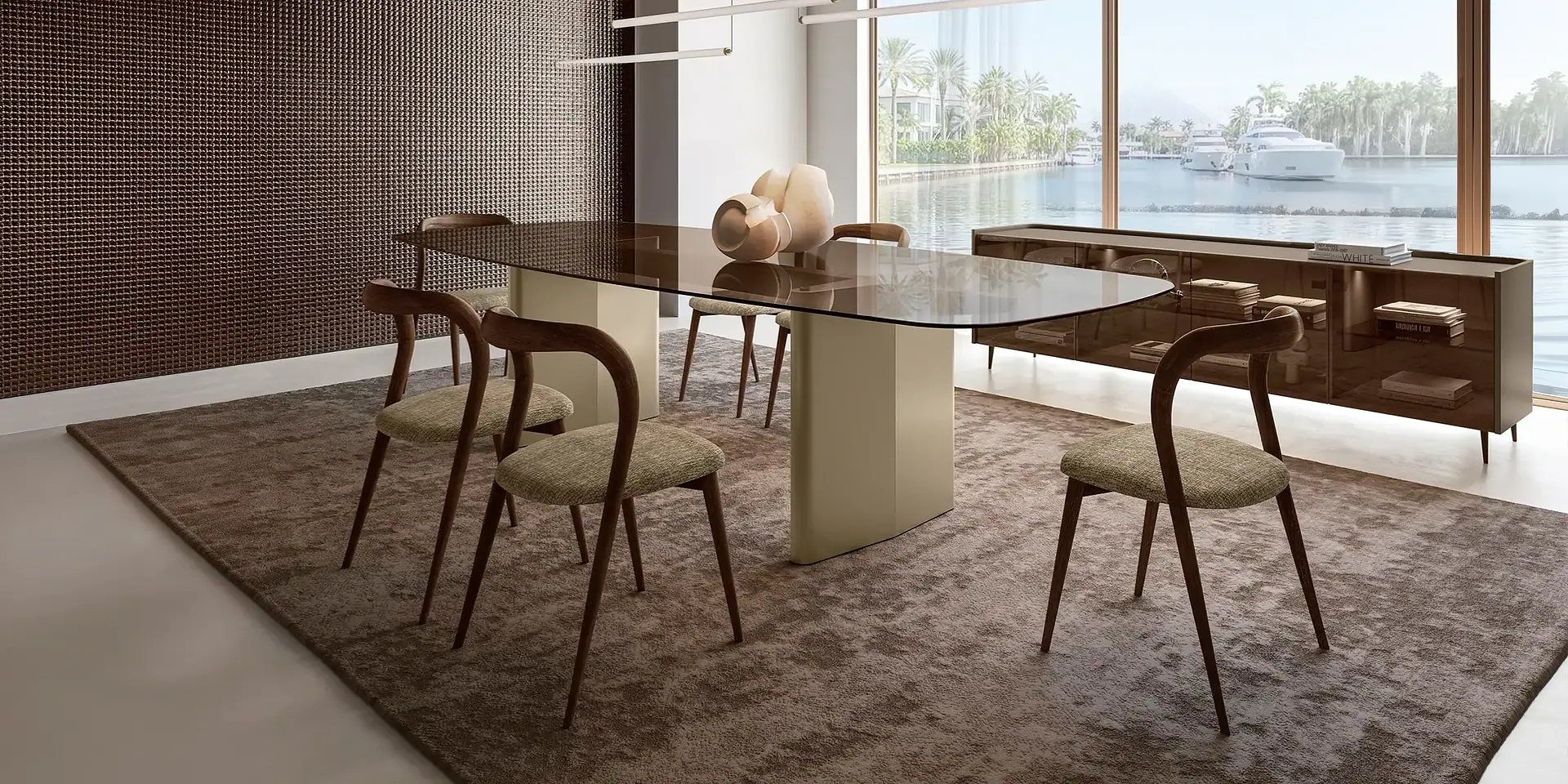
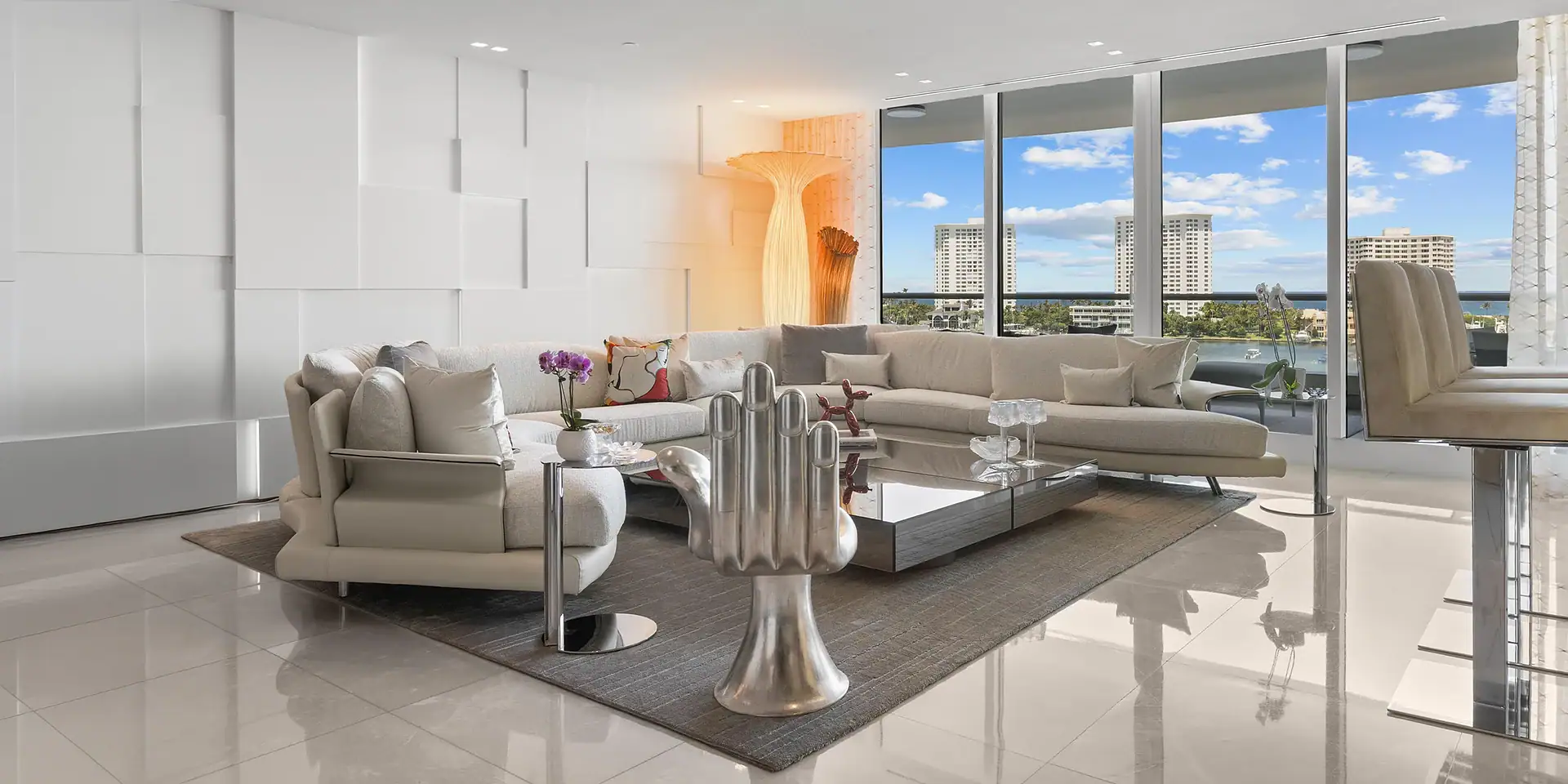
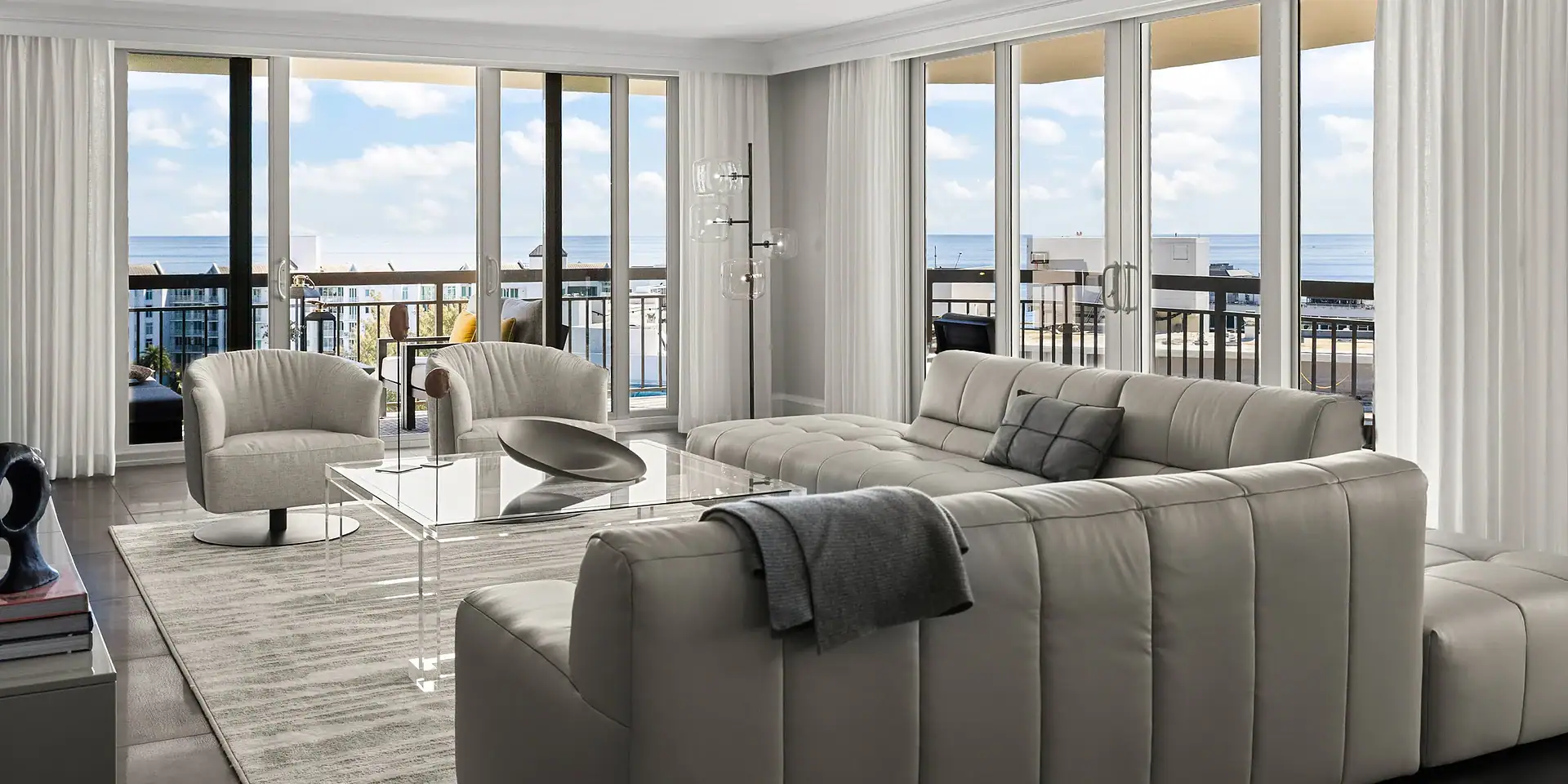
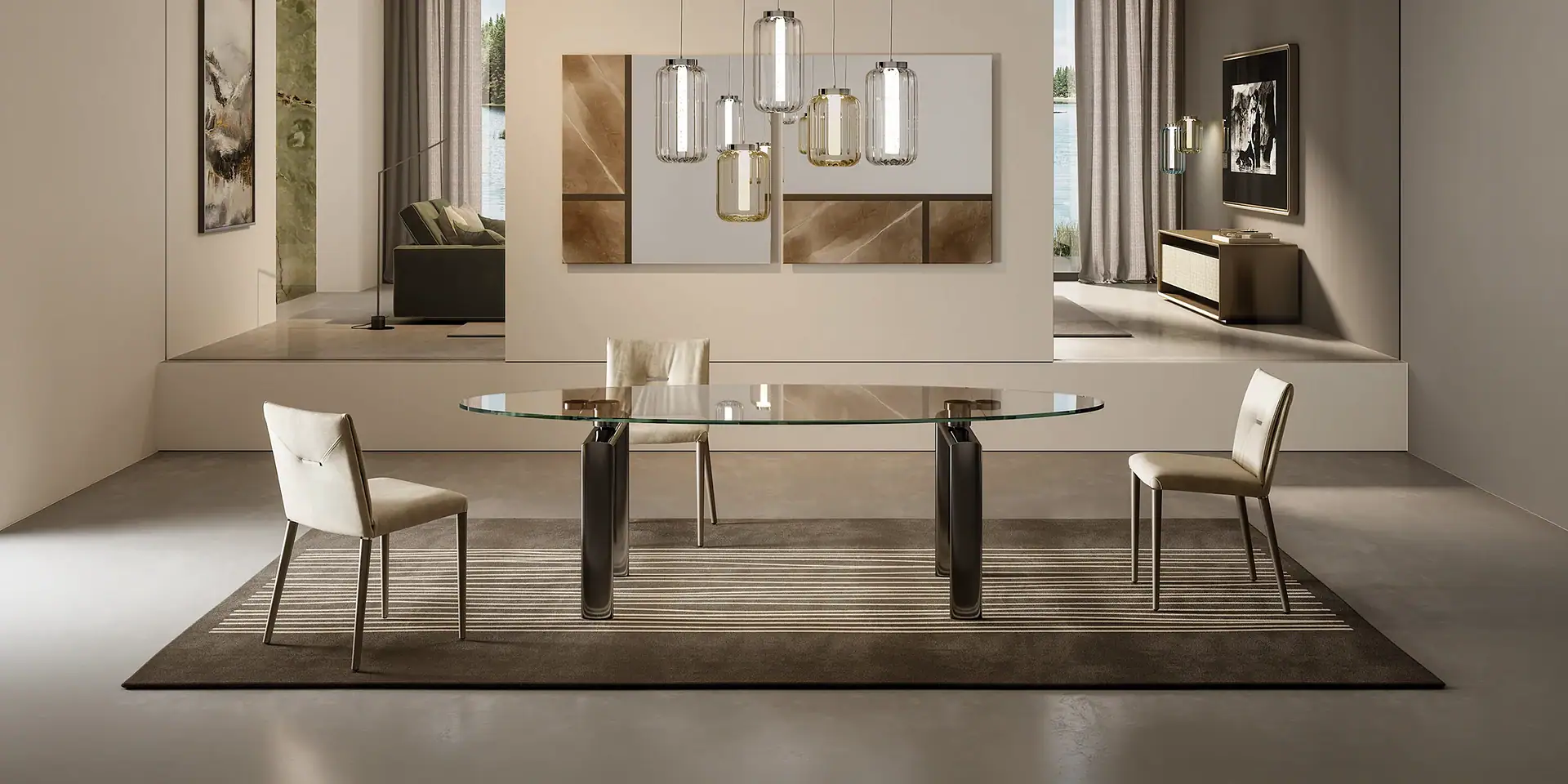
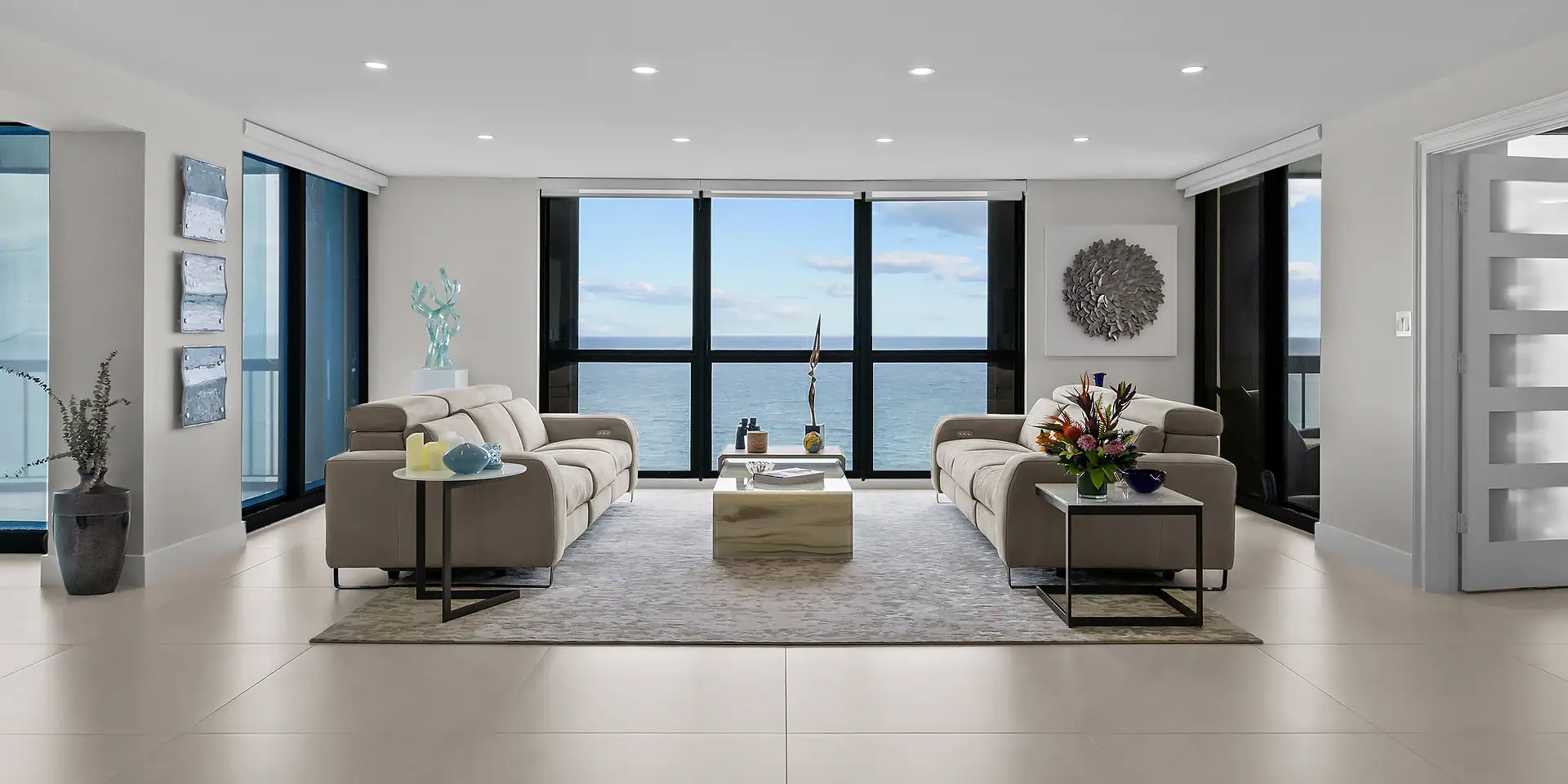
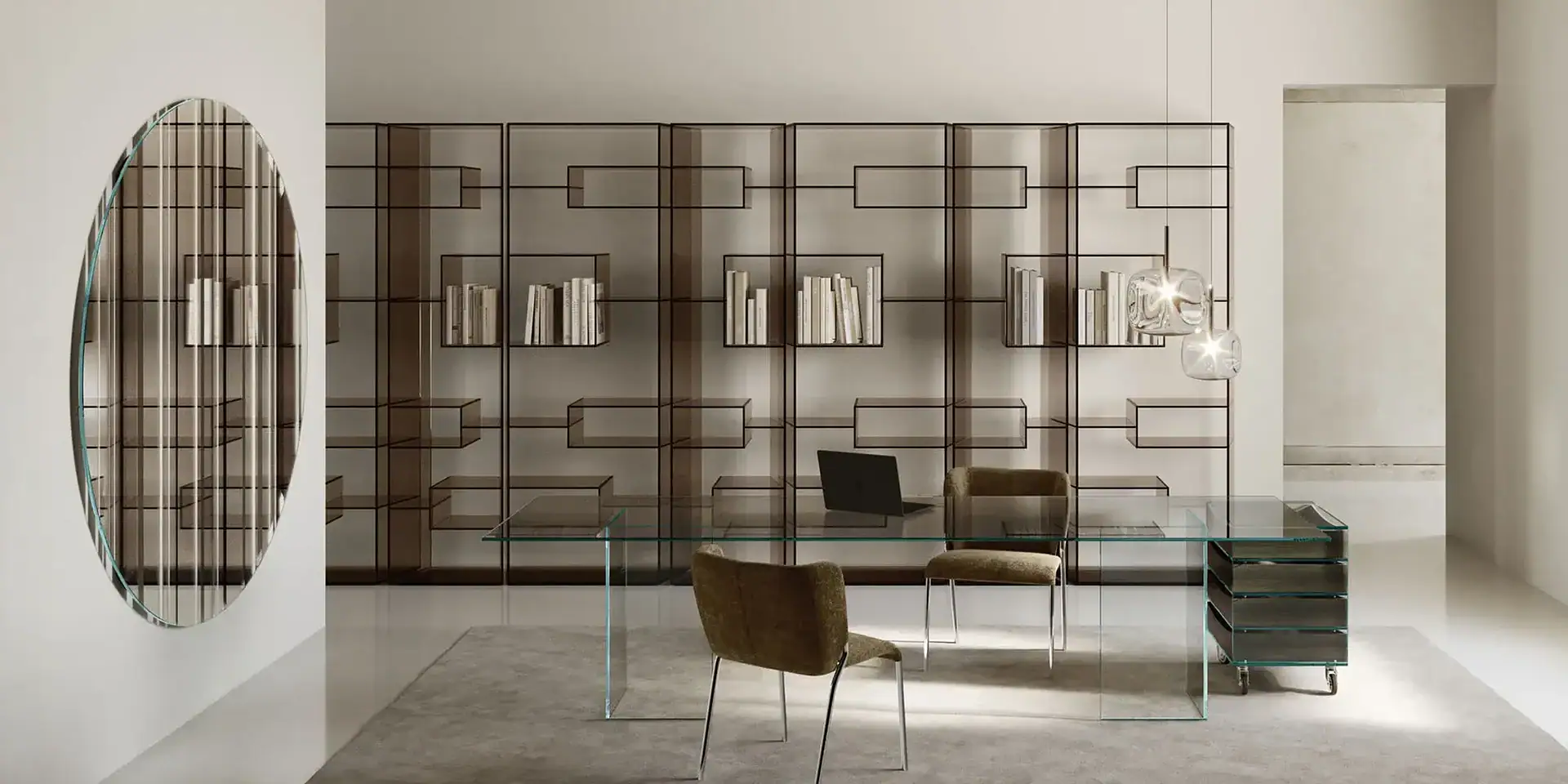
The world of home decor is rich with variety and two terms that frequently appear in conversations about interior design are “modern” and “contemporary.” Understanding the difference between modern and contemporary furniture is crucial for anyone looking to achieve a specific aesthetic in their living spaces. While often used interchangeably, these styles are distinctly unique, each with its own characteristics and design principles.
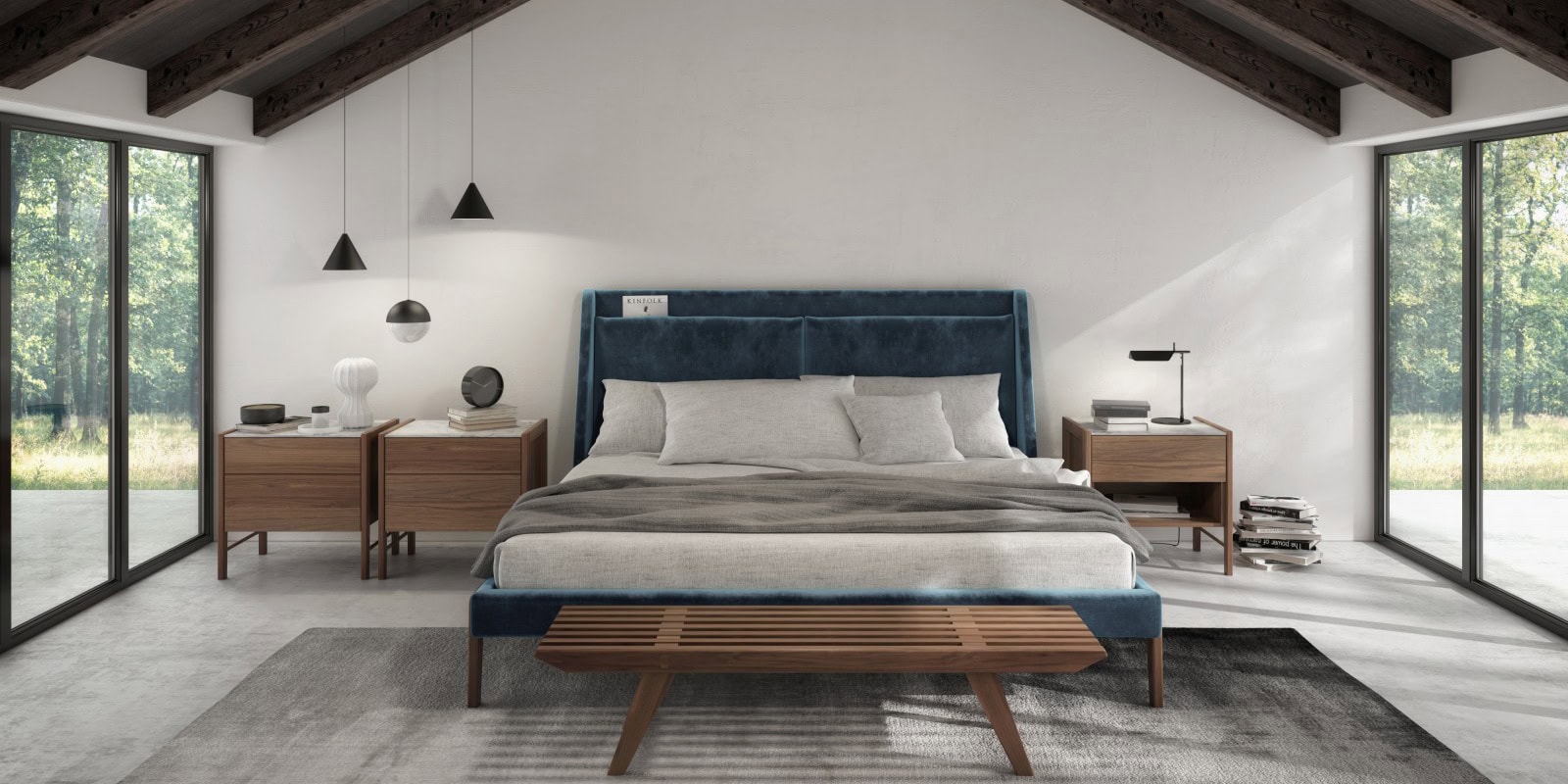

Modern Furniture Design
Modern furniture design references a style that emerged in the late 19th century and gained prominence throughout the mid-20th century. Often synonymous with the mid-century modern movement, this style emphasizes simplicity, function, and minimal ornamentation.
Key characteristics of modern furniture include clean lines, organic shapes, and the use of materials such as wood, leather, and metal. Modern design is rooted in the idea of form following function, offering practical yet stylish pieces that resonate with those who appreciate uncluttered and sleek decor.
Contemporary Furniture Style
In contrast, contemporary furniture refers to the styles and trends that are currently in vogue. Unlike modern design, contemporary furniture is not associated with a specific era but is ever-evolving, adapting to new technologies, materials, and consumer preferences.
Contemporary furniture style often mirrors the current cultural and artistic landscape, resulting in pieces that can be bold, experimental, and highly customizable. The flexibility and boundlessness of contemporary design make it a favorite for those who enjoy updating their décor to remain on the cutting edge of home decor trends.
Key Differences: Modern vs. Contemporary Furniture
Recognizing the key differences between modern and contemporary furniture is essential for achieving the desired aesthetic in home design.
- Time Frame: Modern design relates to a specific historical movement, while contemporary design constantly evolves.
- Performance Fabrics Redefined: Explore high-performance upholstery that resists stains and moisture while maintaining a soft, luxurious feel.
- Shapes: Modern design leans towards geometric shapes and symmetry; contemporary pieces embrace fluidity and irregular shapes.
- Color Palette: Modern furniture tends to use earthy tones, whereas contemporary pieces can incorporate vivid hues or monochromatic schemes.
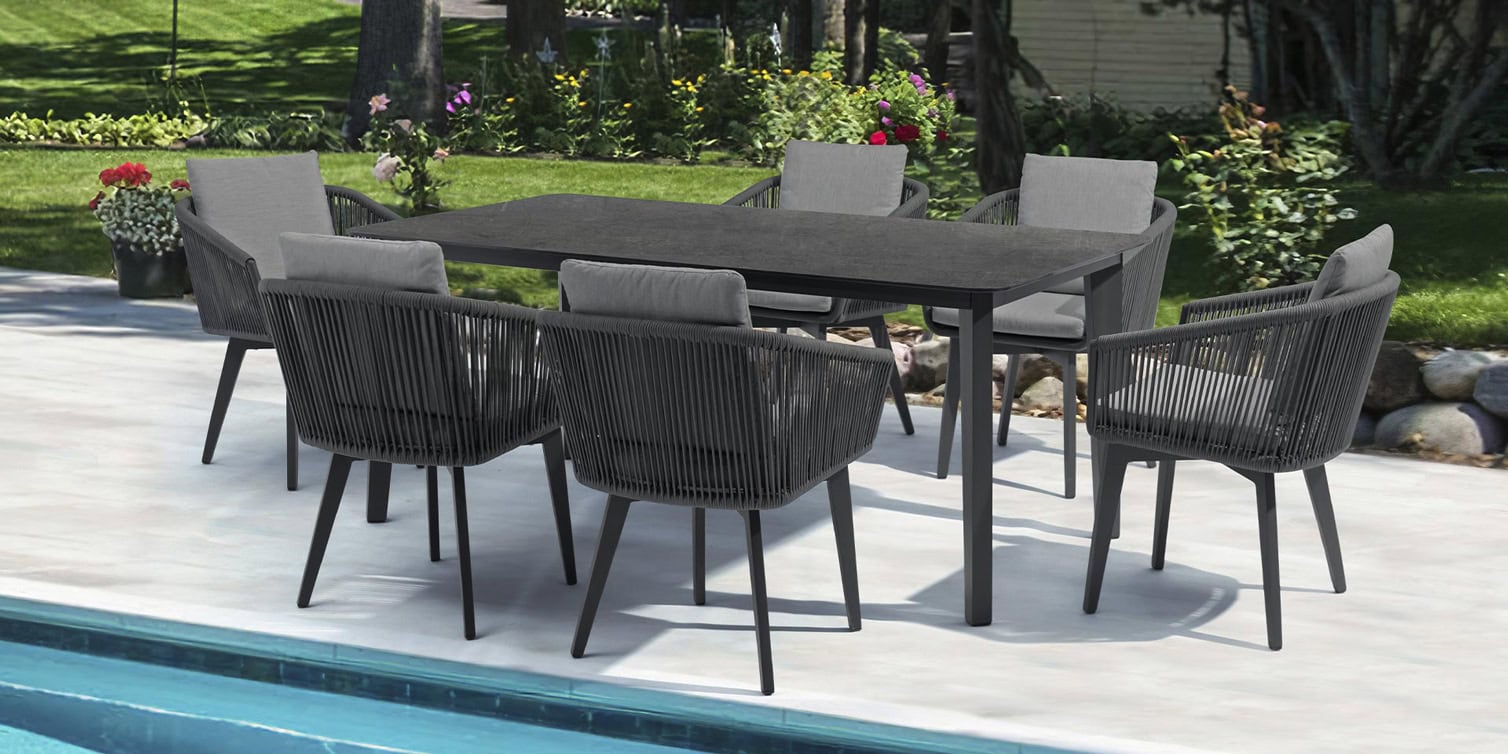
The Influence Of Mid-Century Modern
Mid-century modern is an iconic style within modern design, known for its retro appeal and lasting influence. Characterized by minimalist shapes, functional forms, and an emphasis on the juxtaposition of traditional and non-traditional materials, mid-century modern continues to be revered for its timeless charm and innovative approach. Boca Raton’s high-net-worth consumers often gravitate towards this style for its understated elegance and ability to complement contemporary interior design seamlessly.
Modern Furniture Style: A Timeless Guide
Modern furniture style remains celebrated for its enduring appeal.
- Functionality: Every piece serves a purpose without unnecessary decoration.
- Simplicity: The emphasis is on less being more, both in decoration and construction.
- Innovation: Pioneering the use of new materials and techniques is at the heart of modern design.
Contemporary Interior Design: Embracing Change
Contemporary interior design is about the present and future, using current trends as a guiding light.
- Adaptability: Contemporary decor changes with the times, allowing for personalization and experimentation.
- Diverse Materials: Unrestricted by norms, it may include a mix of elements such as recycled materials and innovative textures.
- Eclectic Influence: A blend of styles and eras responds to global influences and technology advancements.
Choosing a Furniture Style for Your Home
Choosing the right style is ultimately about aligning your design ethos with personal preferences.
- Identify your preferences: Spend time assessing what you are naturally drawn to in terms of shape, color, and material.
- Consider your space: Assess the room layout and existing elements to integrate new pieces harmoniously.
- Think long-term: Decide if you want a classic, enduring look or one that evolves with trends.
FAQs
Is there a significant overlap between the two styles?
While both can appear minimal, their inspirations and implementations vastly differ.
How do these styles impact room ambiance?
Modern tends to feel grounded and serene, while contemporary can appear energized and forward-thinking.
Can both styles be mixed?
Yes, creating a curated space that reflects elements of both styles can result in a uniquely personal environment.
Find Your Personal Style With Sklar Furnishings
For residents and designers in Boca Raton, embracing the bespoke experience presented by Sklar Furnishings allows for a matchless exploration of both modern and contemporary design possibilities. Here, you can expect more than an off-the-shelf selection, with custom-made furnishings that truly reflect the essence of your vision.
Eager to explore the world of luxury furnishings? Sklar Furnishings invites you to engage in crafting unique interiors that embody elegance and individuality in Boca Raton. Visit our showroom to consult with experts on how modern and contemporary influences can transform your space with exceptional craftsmanship.
Like what you read?